
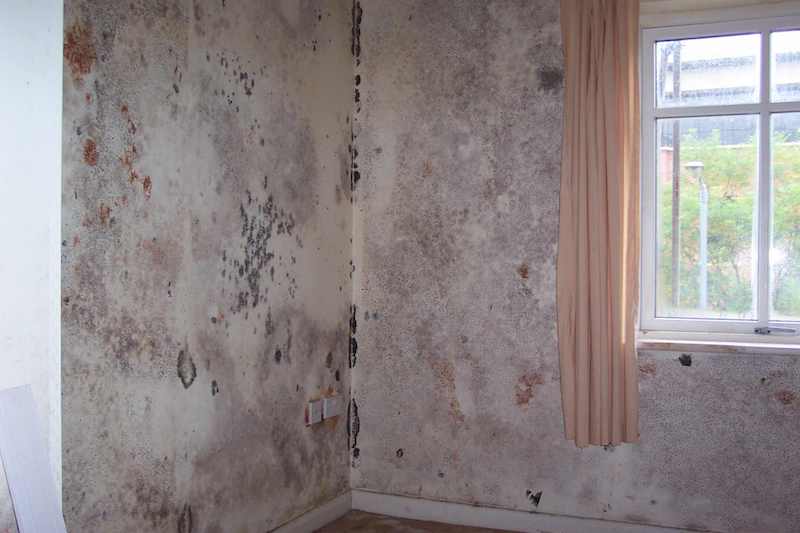
How To Deal With Mould
Mould – is it really anything more than just a bit of staining?
Mould is something many of us live with for a lot of our lives as nothing more than some unsightly stains in the bathroom or the corner of a room. However, mould if left untreated can cause some major health issues including aggravating asthma, sneezing, chronic coughing, fatigue, headaches and generally feeling unwell.
To get rid of mould, we need also need to understand its partner in crime condensation.
Condensation – the hidden partner to mould
Without condensation (moisture) there is no mould. Mould cannot survive in dry areas as it needs water to live. Condensation gives the mould spores a perfect environment to thrive and grow. Condensation occurs when there is too much moisture present in the air at any given temperature.
Everything we do creates moisture. Cooking, cleaning, showering all create excess amounts of moisture in the house. As we breathe out we create excess moisture. Its unavoidable and excess moisture is an inevitable consequence of life. Human beings create moisture.
Moisture will always move towards the coldest part of any room which usually are the windows. Hence the pooling/beading of water on the window cill on a cold day or first thing in the morning after a hot shower.
If we can control the amount of moisture in the house, we can help control (reduce) the possibility of mould growth.
What are the sources of moisture?
If controlling moisture is the key to helping control mould, what are the key sources of moisture. Well, the sources of moisture can be split into 2 main areas
1. Lifestyle factors
Outlined below include
– Cooking
– Cleaning
– Showering
– Breathing
– Laundry
Lifestyle factors will account for 95% of mould growth in houses. The way we live creates an ideal environment for mould to thrive.
2. External moisture
Rain, snow from the weather and possibly rising damp from the ground will all create excess amounts moisture if allowed to enter the property. Any building has some built-in features to stop moisture from entering the property from outside and they are:
– Roofing
– Guttering
– Pointing in between bricks / stone
– damp proof courses
– damp proof membranes
– suspended timber floors with air bricked solums
– wall cavities
Issues with any of these water / moisture proofing systems will help raise the amount of moisture in the house leading to condensation and mould growth.
I have black mould in my house – what can I do to help this?
Assuming the waterproofing features in the house are all in tact (verified by a builder or a surveyor), then we can take the following steps to reduce the amount of moisture present in the home which will lead to less mould growth.
1. After showering open up the windows or start the ventilation fan
2. Do not dry your clothing inside the house – take it to a launderette
3. When cooking, keep the lids on the pans closed
4. Keep the heating on more often especially in the winter – this reduces the chances of condensation happening by some clever science.
5. Open the windows more often – the more people in the house the more moisture present If you live in an older house there are other things you can do to manage the amount of moisture which enters the property. But that’s another topic altogether.
If you have any questions or concerns about mould please call Rainbow International West Yorkshire on 01274 588011 and we can assist you.