
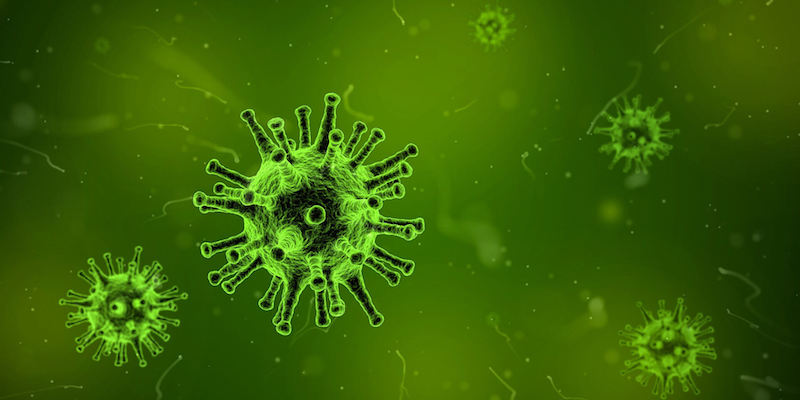
Norovirus – Tips For Beating The Winter Sickness Bug
It’s that time of the year when the weather gets colder and people feel are more susceptible to catching colds and flu. In some cases vulnerable people can also catch the dreaded norovirus bug also known as the winter vomiting bug.
Norovirus can affect anyone who comes in contact with contaminated bodily fluids such a urine, faeces or blood and can make people very poorly by causing them to vomit or suffer from diarrhoea. It is also transmitted by close proximity to someone who already has it. Eating contaminated food prepared by someone who has it can also pass on the virus.
Usually norovirus clears itself up after a few days but it tends to be very nasty while it’s there.
How do I know I have it ?
There are 3 main symptoms of norovirus
1. Watery diarrhoea
2. Projectile vomiting
3. Suddenly feeling unwell
Headaches, fevers and stomach cramps are also signs that you may have caught norovirus.
It usually clears itself up within a few days however if you believe it’s more serious then call your GP. Generally the NHS do not advise people suffering with norovirus to come into their local GP but either arrange home appointments or just wait it out.
If you believe your symptoms are more serious then please call your GP or your local hospital.
What can you do to prevent catching norovirus?
As they say prevention is always better than the cure and when dealing with norovirus this is the best course of action. Good practice when it comes to caring for patients is a must as is frequent hand washing and wearing gloves if dealing with bodily fluids.

Below are some basic rules when dealing with people who have norovirus.
- wash hands frequently and use hand sanitisers
- do not share towels or clothing with people who already have it
- take more care in cleaning common areas and increase the frequency
- do not go into work or school for at least 48 hours after the symptoms have passed
- if any items of clothing have become contaminated with bodily fluids such as faeces or vomit then wash them separately from your household washing and use a hotter wash where appropriate
- avoid eating raw food especially oysters
What can businesses and public services do to handle norovirus better?
Areas where lots of people tend to work or study closely together such as offices, nurseries, schools and universities tend to be the worst places for norovirus. Equally care homes are also susceptible to outbreaks and for the elderly or very young norovirus can have more extreme effects.
In terms of management of norovirus and preventing the spread of any potential outbreaks, it can be very difficult. However, there are some basic rules that any business or public institution can apply.
- make sure that your regular cleaning regime is undertaken and if anything is more rigorous than usual
- make sure that all washrooms are kept clean and tidy and that there are adequate hand wash/sanitisation facilities
- provide staff with hand sanitisers at their desks or per office to promote frequent hand cleaning
- if you believe anyone is ill then send them home or provide them with separate areas to continue work until you have more information
- if any bodily fluids are spilt then you must exercise extreme caution. Full PPE is recommended and at the very least latex gloves and a face mask are an absolute minimum.
- ask viral and bacterial decontamination specialists like Rainbow International our advice and if there is an outbreak we can help contain it for you with our norovirus remediation/ decontamination programs
Remember do not put yourself or your members of staff on any further risk. If in doubt call the professionals.
Our viral cleaning and decontamination programs can help contain norovirus outbreaks and keep offices and public buildings clean and virus free.
If you would like further information about viral decontamination please contact Rainbow international West Yorkshire’s dedicated bio hazard division on 01274 588011.